
The short answer
AC installation in Monte Sereno starts with a load calculation and a duct inspection, so the system fits your house instead of a rule of thumb. Many homeowners here choose a heat pump instead of a cooling-only AC, especially if the furnace is aging, because Bay Area furnace rules from 2029 point toward electric heat when a gas furnace is replaced.
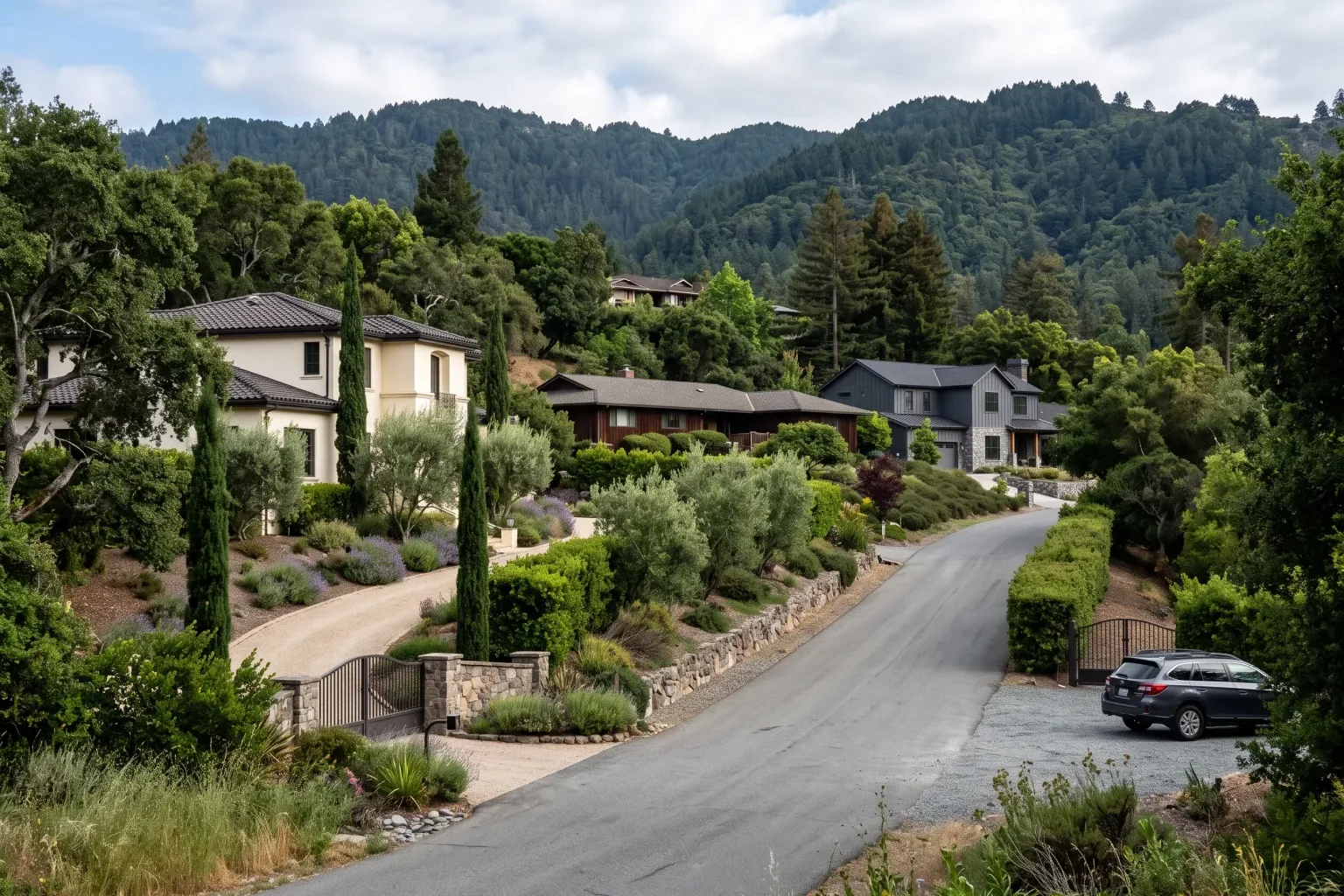
Monte Sereno homes sit on the inland side of the Santa Clara Valley. Summers are dry, and afternoons on hot days run noticeably warmer than in areas closer to the Bay. Many houses here were built before central air was common, so adding or replacing air conditioning often raises practical questions: whether the existing ducts can handle it, where the outdoor unit should go, and whether a heat pump makes more sense than a standard AC. ComfortFlow HVAC Contractor installs cooling systems for homeowners in Monte Sereno, about 13 miles southwest of our San Jose base. This page explains how we approach an installation here and what to think about before you choose equipment.
Sizing a System for Monte Sereno Summers
Oversized air conditioners are one of the most common installation mistakes. A unit that is too large cools the air quickly and then shuts off. It cycles on and off often, leaves rooms uneven, and wears out parts sooner. An undersized unit runs nonstop on the hottest afternoons and still falls behind.
We size equipment with a room-by-room load calculation, not by square footage alone. In Monte Sereno, the factors that matter most are usually these:
- Window area and which direction it faces, especially large west-facing glass
- Attic insulation levels and whether the attic is vented well
- Vaulted ceilings, additions, and rooms over garages
- Shade from mature trees, or the lack of it
- How warm the upstairs gets compared with the main floor
Checking Ductwork Before Installation
A new system can only perform as well as the ducts that carry its air. Older homes often have ducts that were sized for a furnace alone. Heating needs less airflow than cooling, so those ducts can be too small for an air conditioner. Ducts in attics and crawlspaces may also have leaks, crushed sections, or worn insulation.
Before we recommend equipment, we inspect the accessible duct runs and check airflow at the registers. Sometimes the ducts only need sealing and a few repairs. Sometimes a trunk line or a few branches need to be replaced. In homes with no ducts, or with additions the ducts never reached, a ductless mini-split system can cool those rooms without major construction.
Standard AC or Heat Pump?
A heat pump looks and installs much like a central air conditioner, but it also heats your home by running in reverse. With winters in the valley mild and damp, a heat pump can handle most or all of a typical home's heating.
Bay Area Air District rules are part of this decision. Natural gas furnaces manufactured from 2029 must meet a zero-NOx emission standard, and in practice that points homeowners toward heat pumps when a furnace is replaced after that date. These rules do not require you to replace working equipment. They apply only when an existing furnace fails or is replaced. Still, if your furnace is getting old, installing a heat pump now can mean one outdoor system instead of buying a new AC today and dealing with the furnace separately later.
If your furnace is fairly new and in good shape, pairing it with a standard AC or a heat pump is a reasonable choice. We will go over both options with you.
What Happens on Installation Day
Once you approve a plan, the installation usually follows these steps:
- Recover refrigerant and remove the old equipment, if there is any
- Set the outdoor unit on a level pad, with clearance for airflow and service, placed with noise near bedrooms and neighboring homes in mind
- Install or replace the indoor coil and refrigerant lines
- Make the electrical connections and add the condensate drain
- Pull a vacuum, charge the system, and confirm temperatures and airflow
- Walk you through the thermostat settings and filter changes
Incentives and Tax Credits
The federal Energy Efficient Home Improvement Credit covered qualifying heat pumps placed in service before December 31, 2025. It is not available for installations after that date. Local programs may still help. Bay Area homeowners can check BayREN and their local clean energy provider for current heat pump and electrification incentives. Amounts and availability change with each funding cycle, so we confirm the current offer before including it in a quote.
More services in Monte Sereno
- AC Repair in Monte Sereno
- Heating Repair in Monte Sereno
- Heat Pump Installation in Monte Sereno
- Furnace Repair in Monte Sereno